How to choose a pet bed is a question that usually arrives after a small disappointment. You bought the soft, sensible one, and your cat sleeps on the laundry instead. Your dog circles it twice and lies down on the cold floor beside it. Nobody is being difficult. They were simply never asked.
The bed they chose before you did
Before you shop, look at where your pet already sleeps. It is the most honest information you will get, and it costs nothing.
A cat folded into a cardboard box is telling you something about enclosure. A dog stretched flat on the tiles in July is telling you something about heat. A dog who takes a long moment to lower himself onto the rug, one joint at a time, is telling you something you may not want to hear yet. None of it is complicated. It only needs a few evenings of paying attention, the way you already pay attention to everything else about them.
Most pets sleep in one of a few ways, and the right bed usually follows from that.
The ones who want to disappear
Some cats and small dogs sleep best when they cannot be seen. They go for the box, the bag, the space under the bed. For them, an open cushion is a stage, and a stage is not restful.
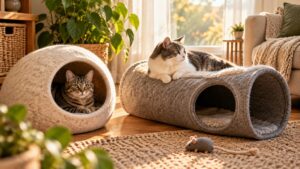
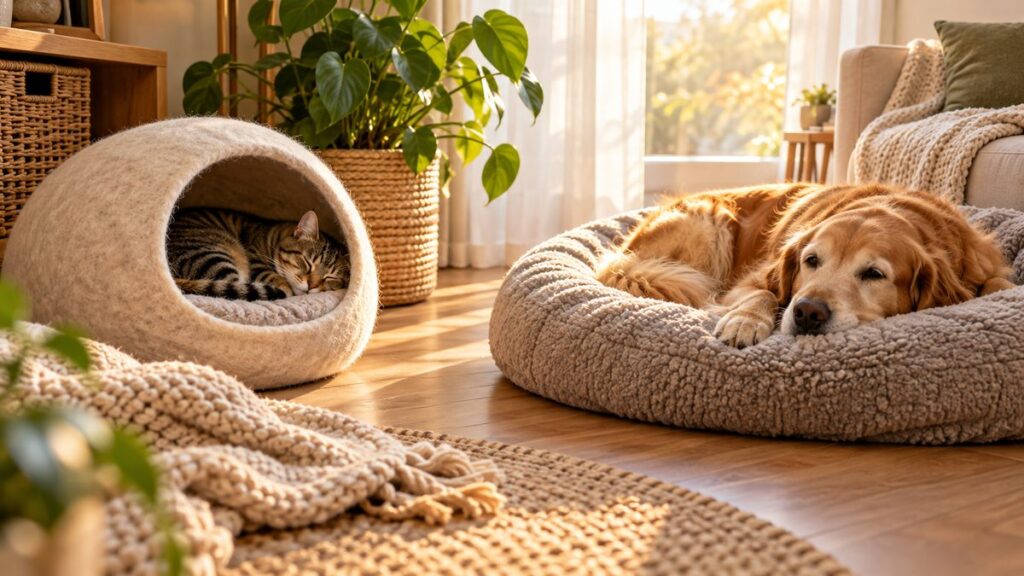
An enclosed bed gives them a roof. A felt cat cave works because of its rounded shape and the way wool holds warmth, and a cat who likes to hide will often take to it without any persuasion. A tunnel bed answers two moods at once: a place to vanish underneath and a raised surface on top for watching the room. If you have more than one cat, a larger four-cave tunnel bed means nobody has to share the one good spot.
The ones who need to be held
Other dogs sleep best when something curves around them. They lean their chin on an edge, tuck their legs in, and sigh. A raised rim gives them something to rest against, which is why a donut-style dog bed suits dogs who curl up and, for the same reason, can frustrate those who prefer to sprawl.
It is worth being honest about which kind of sleeper you live with. The bed that looks the cosiest in a photograph is not always the one that suits the animal in your house.
The ones whose bodies are asking for more
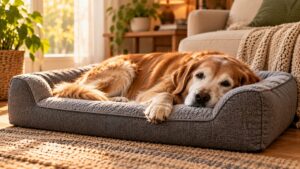
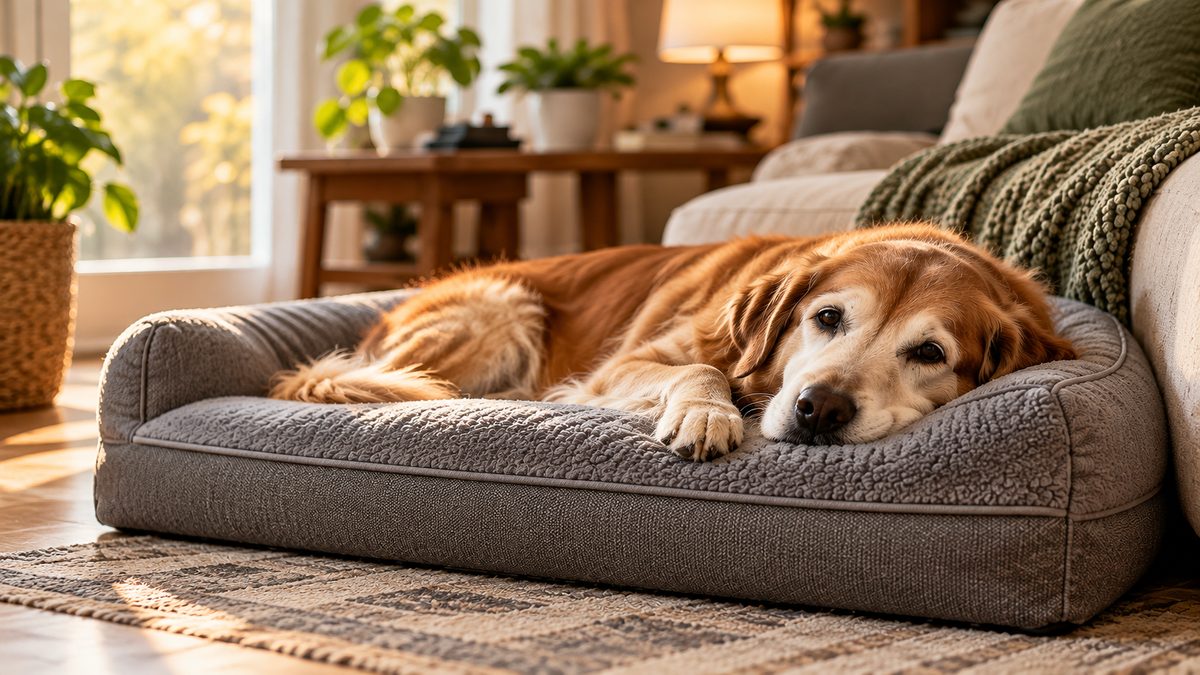
Older dogs, large dogs and dogs with stiff mornings do not need a prettier bed. They need one that supports them. An orthopedic dog sofa bed is built around that idea: a firmer base, a surface that does not collapse under the hips, and a height that is easier to step onto.
If you have noticed a hesitation at the edge of the bed, or a dog who now chooses the floor, that is usually the moment to look at this kind.
The ones who run warm
Some dogs lie on tile and hardwood all summer, and no cushion will change their mind. For them, a raised, breathable bed lets air move underneath. An elevated cooling dog bed is for the dog who always seems to be looking for the coolest spot in the house, and mostly finds it.
Where the bed goes matters as much as the bed
You can buy exactly the right bed and put it in the wrong place. Pets tend to sleep where they can hear the household but are not in the middle of it: the corner of the living room, beside the sofa, near your bedroom door. If a new bed sits in an empty room at the far end of the house, it will often be ignored, however good it is.
Put it where they already sleep, and let it smell like home for a few days before you judge it.
A small note before you buy
Some of the links on this page are affiliate links, which means we may earn a small commission if you buy through them, at no extra cost to you. We only link to things we would be glad to see in your home. If you would like to see more options in one place, the Gifts for Pet Lovers page gathers them.
Questions People Often Carry
How do I know if my pet likes a new bed? They will tell you within a week or two. A pet who has chosen a bed returns to it on their own, without being placed there. If they keep avoiding it, the bed is probably the wrong type or in the wrong place, not the wrong pet.
Does the size of the bed matter? It does. A bed that is too small cuts off the way they like to stretch, and one that is far too large can feel exposed to a pet who likes enclosure. Measure them in their usual sleeping position, not standing up.
When should I think about an orthopedic bed? When you see stiffness, hesitation or a change in where they choose to lie, especially in older or larger dogs. If you are worried about their joints, a vet is the person to ask.
In this series
This is the first article in a small series about the places our pets sleep. In the next pieces we look at cat caves and tunnel beds, beds for older dogs, donut beds, and cooling beds for summer, and we finish with how a pet’s sleeping spot becomes one of the things worth writing down in a pet memory journal.
“A good bed is mostly a quiet agreement about where they are allowed to rest.”
Rita Hervai