Life with pets rarely feels dramatic.
Most days are quiet.
There are no big events, no life-changing moments happening every afternoon.
Instead, life with pets is built from simple routines.
Morning feeding.
A familiar walk around the same streets.
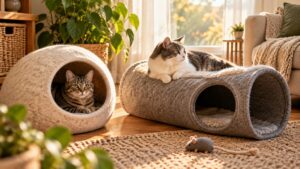
A cat stretching slowly in a patch of sunlight.
At first, these moments seem small.
Almost too ordinary to notice.
Yet over time, these quiet routines become the very moments we remember most.
The rhythm pets bring into our lives
Pets have a remarkable way of shaping the rhythm of our days.
They know when it is time to go outside.
When dinner should happen.
And when it is simply time to sit down and be together.
These moments are not extraordinary.
But they quietly build the emotional texture of everyday life.
Without realizing it, our days begin to revolve around these shared routines.
Life with pets is not only about the big moments — it is built from the quiet, repeating days that slowly become part of our lives.
The moments that shape our lives the most are often the ones that felt completely ordinary when they happened.
When ordinary moments become memories
Years later, we rarely remember specific dates.
Instead, we remember moments.
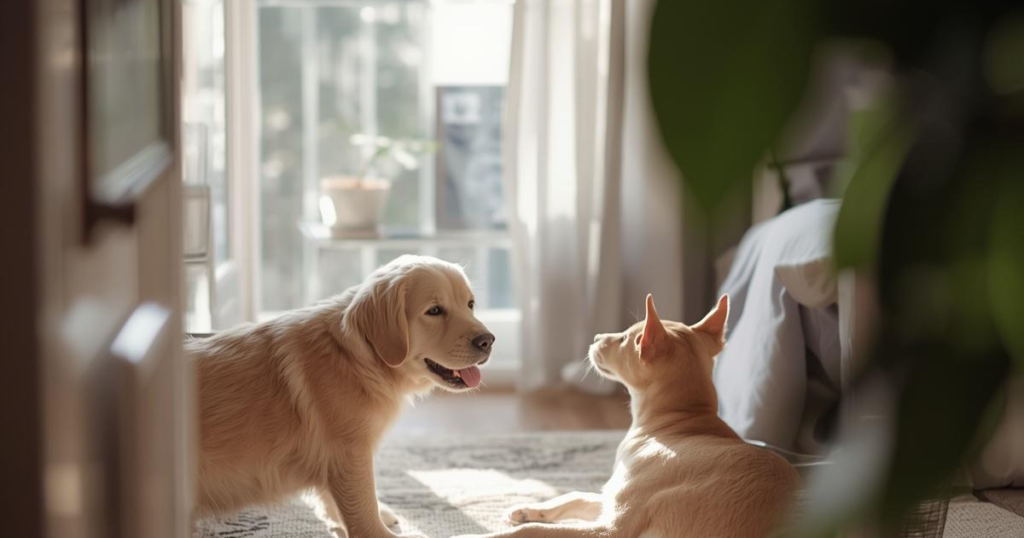
A dog waiting patiently by the door.
A cat curling up next to the laptop while we work.
The familiar sound of paws on the floor every morning.
At the time, none of these moments seem important.
But slowly they become part of the quiet story of our lives.
Pets as part of our life story
Pets are present during the chapters that shape us.
New homes.
Difficult days.
Unexpected changes.
They sit beside us through moments that define our lives, often without us noticing.
And in doing so, they become part of our story.
Not in dramatic ways — but in steady, comforting ones.
A life built from small moments
Life with pets is rarely defined by a single big memory.
Instead, it grows from hundreds of small moments that repeat day after day.
And one day we look back and realize something surprising.
Those ordinary days were never ordinary at all.
They were the days that quietly shaped everything.
Questions People Often Carry
Why do pets make us feel less alone?
Because they are present in a way that doesn’t ask anything of you.
A pet doesn’t need you to perform or explain yourself. It is simply there — when you come home, when you sit down, when the day has been hard and you don’t have words for it.
That kind of uncomplicated presence is rarer than it sounds, and the body registers it even when the mind doesn’t have a name for what it’s feeling.
Why do ordinary moments with pets feel so significant later?
Because they happened on a regular schedule, which means they accumulated quietly into something larger than any single moment.
The morning feeding, the familiar walk, the cat in the patch of sunlight — none of these felt important when they were happening. But they were the texture of daily life, and when that texture is gone, what remains is the shape of it.
The ordinary moments become the memory because they were the relationship, not just a part of it.
Do pets know when you are sad?
Many animals are attuned to shifts in their owner’s behavior, tone, and routine in ways that are genuine if not fully understood.
Dogs in particular are sensitive to emotional cues — a change in voice, posture, or movement.
Whether they understand sadness the way humans do is uncertain, but the response many people describe — a pet that stays closer, seeks contact, or simply remains nearby during difficult moments — is widely reported and consistently felt.
Why is life with a pet so hard to explain to someone who hasn’t had one?
Because the relationship is built from things that don’t photograph well.
Not the big moments, but the small repeated ones — the specific sound of their breathing in the next room, the particular weight of them on your lap, the way a day feels structured differently when they are part of it.
These things are real and they matter, but they are also invisible to anyone who wasn’t there for them.
That invisibility is part of why pet loss can be so isolating, and why the bond deserves more recognition than it usually gets.